Journal Articles
Research articles, perspectives from practice and selected publications.
METHODS
PRACTICE
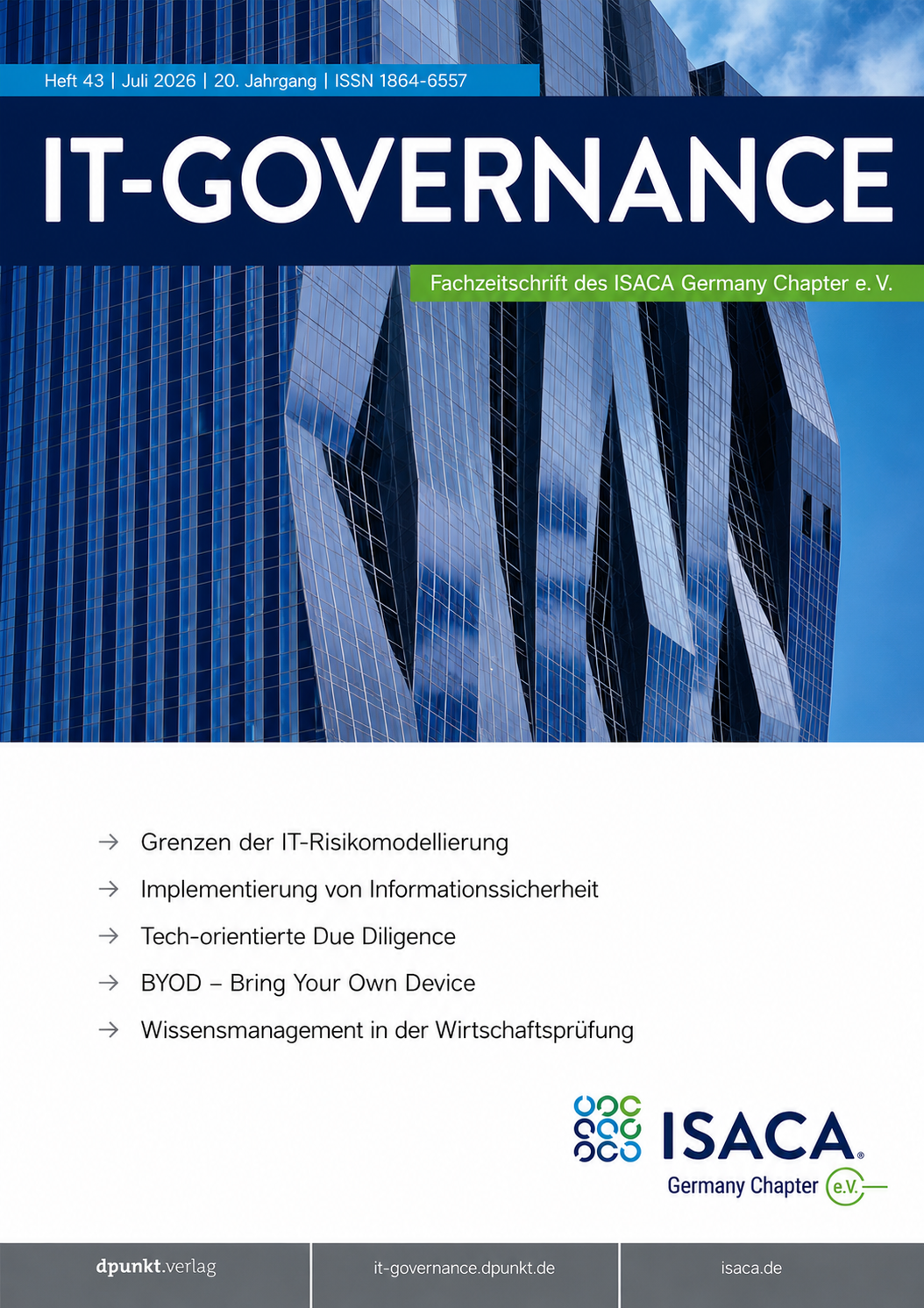
Making BYOD measurable with COBIT 2019 and the IT Balanced Scorecard
BYOD offers flexibility and raises the bar for security, privacy, governance and evidence. This article connects the IT Balanced Scorecard with selected COBIT 2019 processes and an information model. Key measures include patch compliance, onboarding time, incident rates, exceptions and data quality. The model identifies the information needed about devices, identities, applications, risks and controls, where it comes from and how to turn it into auditable evidence. A study with more than 1,000 participants explores links with operational performance, user satisfaction and alignment with business goals. The article turns DORA, NIS2, the EU AI Act, GDPR and ISO/IEC 27001 into concrete governance, control and reporting tasks. A maturity model and 180-day roadmap show how to introduce the controls, reporting routines and continuous review needed for audit-ready BYOD.

Integration of COBIT 2019 and BYOD: An Empirical Analysis of Performance Measurement in the Context of the Balanced Scorecard
The Information Technology (IT) department must align with corporate goals and adapt to evolving data processing methodologies. This study investigates the integration of Bring Your Own Device (BYOD) strategies into IT-Balanced Scorecard (IT-BSC) systems to optimize IT structures and enhance strategic alignment, aligning IT-BSC with general COBIT processes and Key Performance Indicators (KPI) based on the outcomes of the empirical study. The research reveals that BYOD significantly impacts IT strategy and efficiency, enhancing operational processes and increasing alignment with business objectives. BYOD also boosts end-user satisfaction by improving internal processes and service delivery. However, initial challenges of BYOD, such as increased costs from security investments and training, might be balanced by long-term efficiency gains. Additionally, BYOD supports stronger strategic alignment, improving communication between IT and business teams, which contributes to higher customer satisfaction. The adoption of COBIT strengthens governance and compliance, ensuring robust oversight and adherence to regulatory standards. The study discusses the rising adoption of BYOD in Europe and underscores the necessity of managing BYOD initiatives effectively. It concludes with a recommendation for an implementation model that integrates BYOD into IT-BSC systems, focusing on continuous monitoring and validation to ensure successful strategy execution and alignment. This approach promotes agility, adaptability, and effective business-IT alignment, thereby enhancing organizational performance in a dynamic environment.
Aligning IT strategy with service orientation
Technology can improve productivity and cost efficiency, but organisations vary widely in their ability to use it well. Drawing on Porter’s view that strategy requires making choices, the article examines how IT strategy can focus on what matters and support service orientation.
How smaller businesses can benefit from IT service management
Large organisations have used ITIL for years to support service quality. Small and medium-sized businesses can benefit from the same principles as the information economy changes the services they need.
Smaller businesses hesitate
Only a quarter of medium-sized firms use ITIL to improve IT quality
Structured IT services matter to small and medium-sized businesses in a global economy. The article asks why international practices are seldom used and why organisations tend to focus on hardware and software rather than how the services are delivered.
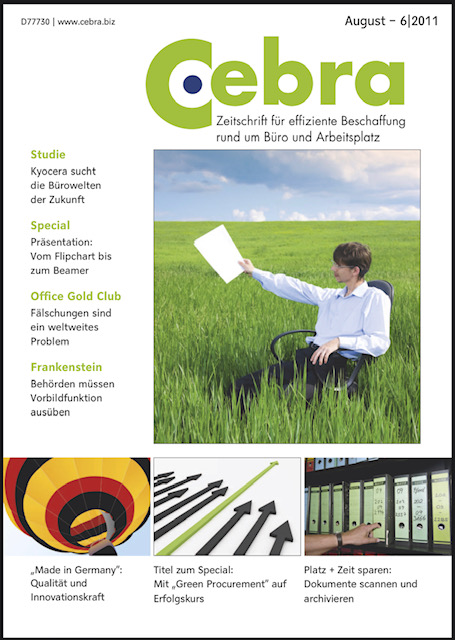
Opportunities and risks for small and medium-sized businesses
Global competition makes price increases difficult while customers expect more and savings elsewhere are harder to find. This article considers the scope for improving procurement.

What is e-procurement?
Commissioned article, published with minor edits
E-procurement uses digital tools to support purchasing and supplier relationships, from planning through payment. It goes beyond internet ordering to include technologies such as Electronic Data Interchange for invoices.
Press coverage

Computer science student Markus Groß helps Monheim cut costs
Lise Meitner School goes online
In June 1998, Rheinische Post reported on the first school in Monheim to launch a website. The initiative gave staff and students their own email addresses and made it possible to collaborate with other schools, read international newspapers and share research findings.
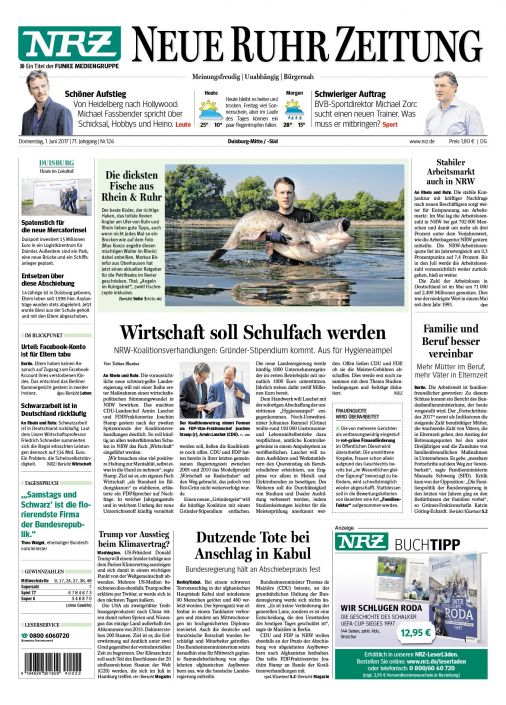
First online: Lise Meitner School launches its own website
In June 1998, NRZ reported how teachers, students and parents at Lise Meitner School built a computer network after the launch of Germany’s Schools Online initiative in 1997. The school overcame early difficulties to become the first in Monheim with its own website.

Everyone pitched in
In July 1998, Westdeutsche Zeitung reported how Lise Meitner School became the first school in Monheim with a homepage, giving students new ways to access news, plan visits and share research.
From my German-language blog


Let’s stay in touch
Would you like to discuss any of these topics?