
Assess recurrent NIS2 incidents
List of event identifiers, date and individual status.
IMPLEMENTATION
EVIDENCE
Evaluate recurring incidents together
For the types of suppliers concerned, a series may be significant under Article 4 of the Implementing Regulation. These include several incidents which are not in themselves significant within six months, the same identifiable cause and the joint fulfilment of the financial loss criterion according to Art. 3 para. 1 (a).
Perform the verification task
Secure individual evaluation and time window
Only take on clearly defined events. Document your individual check and the six-month window determined using confirmed data. An already significant single fault remains visible as a separate path.
- Acceptance criterion
- A second reviewer can follow the statement to the original evidence and the version checked. Record the evidence identifier or file reference with the decision.
- Evidence
List of event identifiers, date and individual status.
Prove cause and direct loss
Compare the recognizable causes based on technical and operational findings. Check loss components, double counting and reference turnover. Use the lower threshold according to Art. 3.
- Acceptance criterion
- Use the same metric, population and unit for expected and observed results. Record the measurement point at which the business service is achieved.
- Evidence
Matched cause and loss account.
Documenting common relevance
Complete the note to the series with a group size. If the threshold is crossed together, hold the time of realization and pass it into the appropriate reporting sequence.
- Acceptance criterion
- A second reviewer can follow the statement to the original evidence and the version checked. Record the evidence identifier or file reference with the decision.
- Evidence
Secured decision with references to the individual incidents.
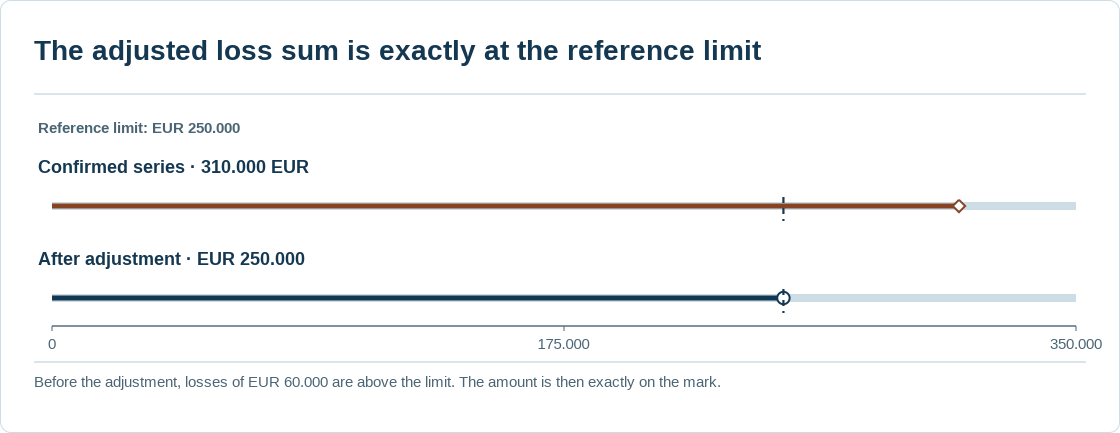
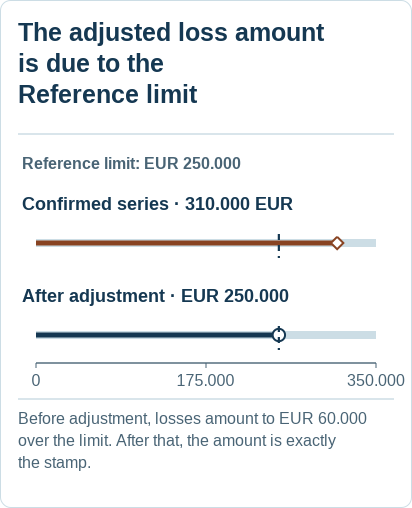
The direct losses in case N33 are added to 310.000 Euro. The limit of 250.000 Euro is exceeded by 60.000 Euro. After deduction of the double counting, the loss sum lies exactly on the limit.
Starting position, assessment and counter-test
Situation For the types of suppliers concerned, a series under Article 4 of the Implementing Regulation may be significant.
Situation
A fictitious service has a significant turnover of 5 million euros in the previous year. Two incidents that occurred within six months, which were not individually significant, are due to the same apparent cause. 140.000 and 170.000 Euro are confirmed as direct losses.
Evaluation and decision
The reference limit is 250.000 Euro. The combined 310.000 Euro exceeds this amount. The reporting level follows the established knowledge of the common relevance. The note specifies the supporting documents for the cause and at the time.
Negative test for your own operation
Delete a wrongly double-recorded portion of 60.000 Euro. The loss limit is not exceeded for exactly 250.000 Euro. Check other relevant criteria separately.
- Audit record
- Comparison of the original finding and retest showing the changed condition, observed effect and closure decision.
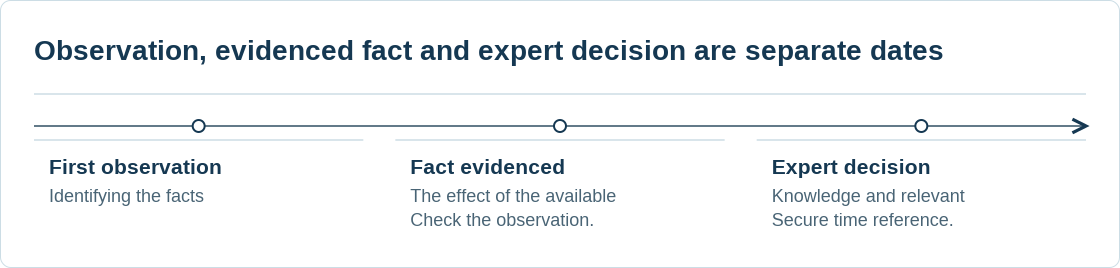
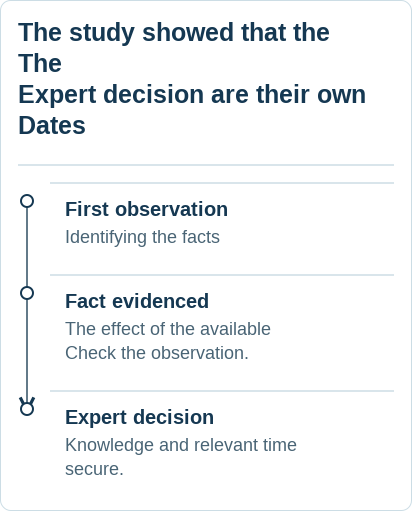
The scheme distinguishes the first observation, the established state of play and the technical decision. The legally relevant time base is shown by the applicable procedure and the facts available at this time.
Help for your decision
Merge documented events of the same recognizable cause. Check single classification, six month windows and accumulated loss to the defined population.
Recurring events and direct losses
Merge documented events of the same recognizable cause. Check single classification, six month windows and accumulated loss to the defined population.
Outcome Technically justified series decision with individual cases, limit value, designated reference period and handover to the reporting clock.
Read the instructions
Fictional example Two incidents, which are not significant in themselves, lead to direct losses of 140.000 and 170.000 in the same time window. The comparable value of 250.000 is EUR 5 million in sales of the previous year.
- Set case group and cut Record the beginning of the test period, service, confirmed cause and expected number.
- Adjust individual values and direct losses Use unique event identifiers and check time period, individual status, evidence and possible double counting.
- Merge the result and knowledge Compare the loss limit and document when all significant facts were proven.
Incident Triage and Confirmed Knowledge
Follow the first hints, confirmed development and own relevance decision time per affected performance.
Outcome A robust decision-making protocol from the first signal to the earliest evidenced relevant knowledge.
Read the instructions
Fictional example N21 · Message from the platform at 08:10 clock, confirmed serious impact at 08:25 clock. Later facts remain visible in the course of the process.
- Separating signal and knowledge Record evidenced facts and UTC time per performance affected.
- Technical examination of criteria Keep a clear record of the legal basis, concrete alternative and lack of information.
- Reporting decision handed over Secure the earliest confirmed knowledge in the event overview.
Legal basis for the verification task
First check for this task
Art. 4 DVO (EU) 2024/2690 · Recurring incidents
Check at least two events that are not significant in themselves within six months. Support the same identifiable cause and the jointly fulfilled criterion of financial loss.
Art. 3 DVO (EU) 2024/2690 · Common criteria for relevance
Check the alternatives in paragraph 1 and the specificities of planned maintenance. Direct losses are driven by the lower limit of EUR 500.000 and 5% of total sales in the previous year.
§ 32 BSIG · Reporting of significant incidents
The early first report and the incident report are linked to the knowledge of the significant incident. The monthly reference follows the actual reported incident report. In case of a continuous incident, the reporting level changes.

Other official references1
- § 2 BSIG · Concepts and relevance (opens in new tab)
Deutsche Anwendung · BSIG
Arrange an observation based on the actual impact and ability to cause damage. Capture relevant terms and facts at the known time.
Next step for your editing level
First, take the decisive observation from the case. Then, based on your open question, choose whether you want to check your own process or play a comparable case.
Reasoning incident, impact and time of knowledge
Secure time and affected service for the first signal. Knowledge of a significant incident must be comprehensible based on the facts then known.
The joint effect is calculated. You want to lead the documented knowledge times to the correct reporting step.
Evaluate an event from the first indication to the confirmed materiality decision continuously.
Your decision A documented substantive decision with a period of knowledge and open information for the notifier.
Work through the caseReport security incident
They work in parallel on tasks from the same department.
The overview will classify further audit orders and aids.
View the guide

